
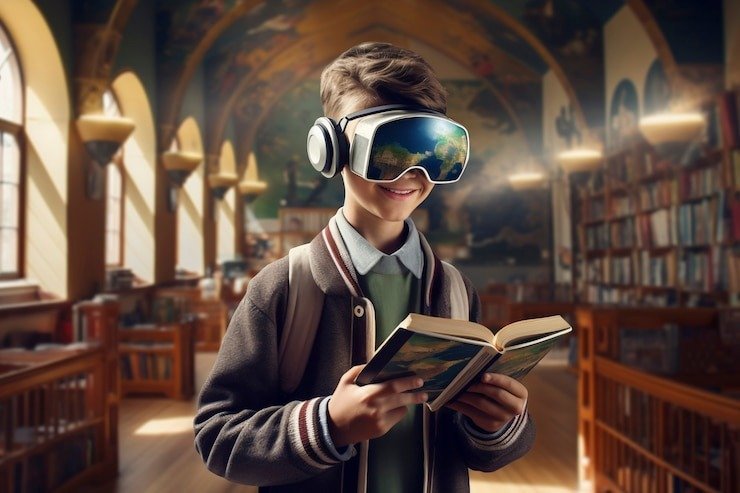
In our rapidly evolving world, the concept of independence has taken on new dimensions, influencing societies, economies, and individual lives. The term “global independence” no longer merely refers to the freedom of countries from colonial rule or political oppression. It is now intertwined with the ability of individuals to navigate a complex, interconnected world while maintaining autonomy in their personal and professional lives. This new era of flexible global independence symbolizes a shift towards a more liberated and adaptable existence, empowered by technology, innovation, and an evolving mindset.
The Evolution of Independence
To understand the modern interpretation of independence, we must first examine its historical context. Traditionally, independence was often associated with national sovereignty, where countries fought for liberation from foreign control. However, as the world becomes more interconnected through globalization, the definition of independence has expanded. Today, individuals seek not only national freedom but also personal autonomy and the ability to thrive in a globalized economy.
As we enter this new era, independence is less about isolation and more about engaging with diverse cultures, ideas, and opportunities while remaining true to one’s values and aspirations. This shift is largely facilitated by advancements in technology and communication, which have made it possible for people to work, connect, and thrive across borders.
The Role of Technology in Flexible Independence
In the age of digital transformation, technology plays a pivotal role in fostering flexible global independence. The rise of remote work, online entrepreneurship, and digital nomadism has allowed individuals to transcend geographical limitations. No longer confined to traditional office settings, people can pursue careers that align with their passions, regardless of location.
Consider the impact of remote work. Employees no longer need to relocate for job opportunities; instead, they can contribute to teams from anywhere in the world. This flexibility not only enhances work-life balance but also allows individuals to immerse themselves in different cultures and experiences. A software developer in India can collaborate with a marketing expert in Brazil, creating a rich tapestry of ideas and innovation that transcends borders.
“True freedom lies in the ability to choose how, when, and where we want to live and work, embracing the vast possibilities that our interconnected world offers.”
The Cultural Dimension of Global Independence
Global independence is not solely about economic freedom; it also encompasses cultural exchange and understanding. As individuals embrace diverse cultures, they gain a broader perspective on life, fostering empathy and collaboration. The ability to travel, communicate, and share experiences with people from different backgrounds enriches our understanding of humanity.
In this new era, cultural independence allows individuals to celebrate their heritage while appreciating the traditions of others. This duality leads to a more inclusive society where diversity is not merely tolerated but celebrated. As we learn from one another, we cultivate a global community that values collaboration over competition and unity over division.
Challenges to Embracing Flexible Independence
While the benefits of flexible global independence are apparent, several challenges remain. The digital divide continues to create disparities in access to technology and opportunities. Not everyone has the resources or infrastructure to take advantage of the remote work revolution. Additionally, as people move towards more flexible lifestyles, issues such as visa restrictions, tax implications, and healthcare access can complicate the pursuit of a truly independent life.
Moreover, the shift towards flexible independence can lead to feelings of isolation. The very freedom that allows individuals to connect globally can also create a sense of disconnection from their local communities. Balancing global engagement with local involvement is essential to ensure that individuals do not lose touch with the roots that ground them.
Creating a New Framework for Global Independence
In order to fully embrace this new era of flexible global independence, we must rethink the frameworks that govern our lives. Governments, organizations, and individuals need to collaborate to create systems that facilitate mobility, access, and inclusivity. This involves reimagining policies that support remote work, fostering partnerships that enable cultural exchange, and investing in technologies that bridge the digital divide.
Educational institutions also play a crucial role in preparing individuals for this new landscape. By promoting skills that emphasize adaptability, critical thinking, and global awareness, we can equip the next generation with the tools they need to thrive in a world where independence is defined by flexibility and interconnectedness.
The Path Forward
As we navigate this exciting transition towards flexible global independence, it is vital to remain open-minded and adaptable. Embracing change requires a willingness to step outside of our comfort zones and engage with the world in new ways. By fostering a mindset of lifelong learning and curiosity, we can fully capitalize on the opportunities that this new era presents.
Ultimately, embracing flexible global independence is about more than just personal freedom; it is about contributing to a collective future that values collaboration, diversity, and unity. As we redefine what it means to be independent, we have the power to shape a world where individuals are empowered to pursue their dreams, connect with others, and create positive change.
